
BRAINWASHING BLUEPRINT
Abuse by Design
How coercive control was engineered into the architecture, schedule, and relationships of daily life inside the Program.
Content warning — the image record
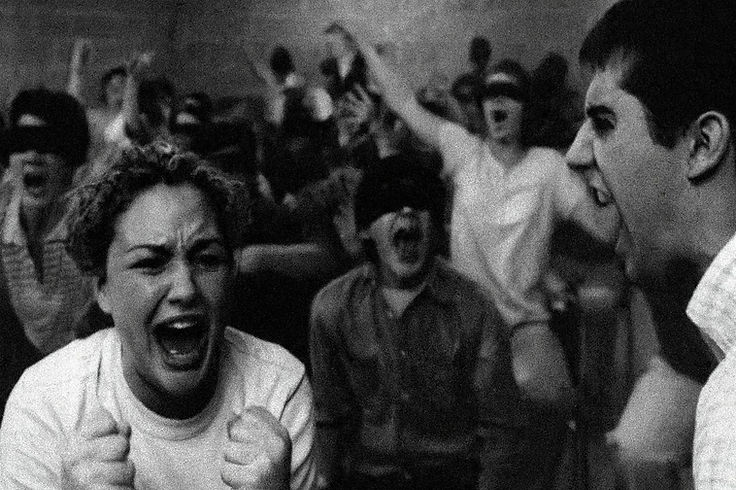
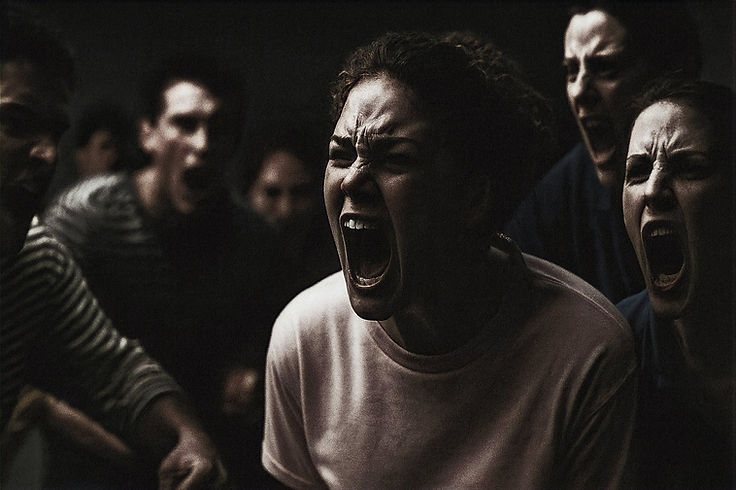
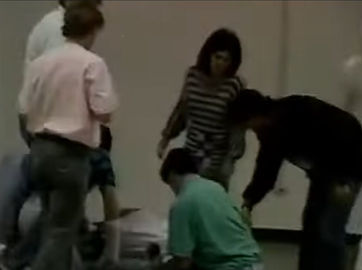
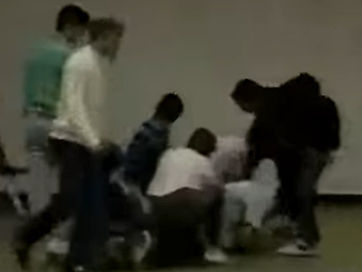
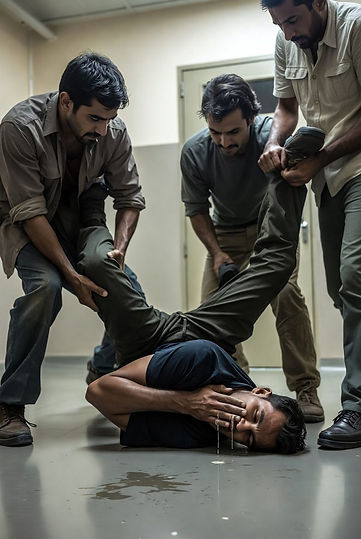
The plates in this section are the hardest material in this archive — children in group confrontation, clients restraining another client, and the practice called spit therapy. Every plate stays blurred until you choose to open it.
Motivating


Restraint





Spit Therapy

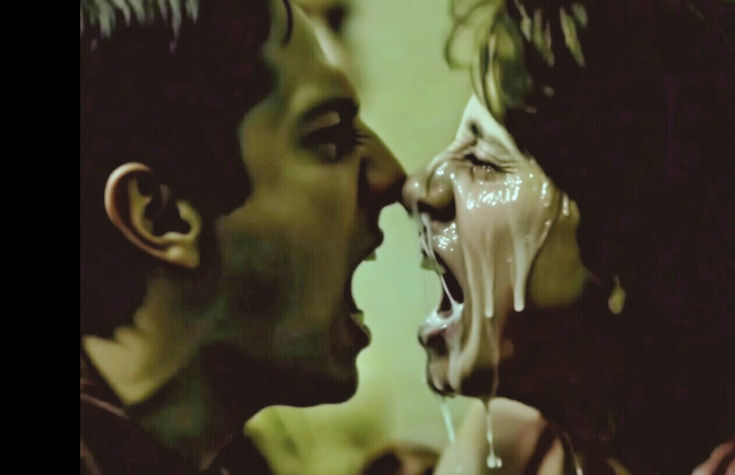
The record calls it spit therapy: two clients held face to face, inches apart, one screaming the confrontation into the other’s face while the spit runs where it lands. It happened in the group room, in front of everyone, and it was counted as treatment. A survivor story in this archive carries its name.
Read the full testimony →Testimony

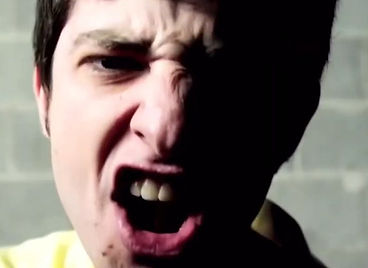


They were teenagers.
Mechanics of Thought Reform
The abuse inside Straight, Inc. was not a series of accidents or the work of a few bad staff members. It was structural. The Program was designed—deliberately, and borrowing from Synanon and The Seed—to reshape young people through coercive control. Every element of daily life was bent toward that purpose.
Understanding the design matters. It explains why so many survivors describe the same experiences in the same words, years apart, in different cities. It also explains why the damage lasted: the system was built to reach into how a person thought, not just how they behaved.
The abuse inside Straight, Inc. was not a series of accidents. It was structural — designed, deliberately, to reshape young people through coercive control.
The Elements of Control
The Building Itself
The Springfield facility was an unmarked warehouse-style space arranged for total visibility and zero privacy. Open rooms, fixed seating, and sightlines let staff and Oldcomers watch every client at all times. Architecture was the first instrument of control.
No Unstructured Time
Days were engineered to leave no moment unaccounted for—from morning escort to evening transport. Silence, posture, and constant supervision meant there was no space to think, rest, or resist privately.
Peer-Enforced Compliance
Adults rarely had to lay a hand on a client. The phase system turned older kids into enforcers of the younger ones. Compliance was extracted through peers who had been broken the same way—each level policing the one below it.
Isolation From the Outside
No mail, no phone, no music, no books, no eye contact with outsiders. By cutting off every channel to the world outside the Program, Straight made the Program the only reality a client could perceive.
Confession as Control
The "raps" demanded constant confession of past wrongs and present temptations. Whatever was shared could be turned against you. The system trained clients to police their own thoughts and report themselves.
The Family as an Arm of the Program
Parents were coached to repeat program language, enforce rules at home, and report their own children. The family was folded into the control structure, so the Program did not end when a client left the building.
- —Adults rarely touched a client — peers enforced compliance on each other.
- —No mail, phone, music, or eye contact made the Program the only reality.
- —Parents were folded into the system, so control did not end at the door.
"The War of the Mind"
Survivors describe a constant internal war—learning to read the room, perform compliance, and hide any thought that could be used against them. The Program did not simply punish behavior; it trained children to surveil their own minds. That is the defining mark of thought reform, and it is why this archive treats the design—not just the individual acts—as the thing that must be documented and understood.
The Program did not simply punish behavior; it trained children to surveil their own minds. That is the defining mark of thought reform.